(205) 633-3606

Follow Us
Like Us

Blog

Pain on the Bottom of the Foot

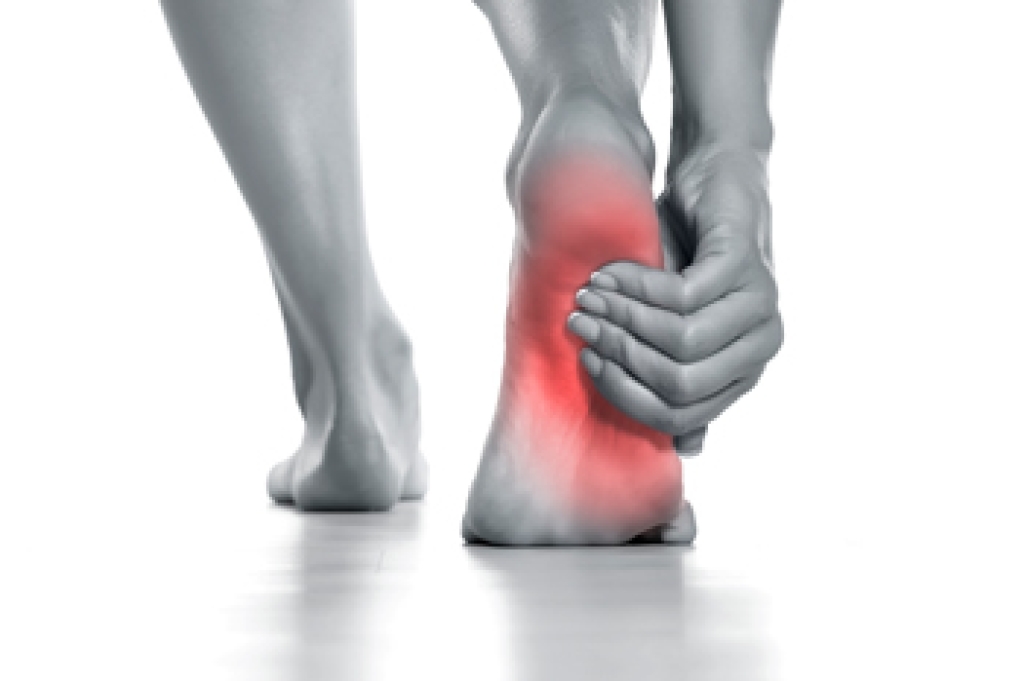
Pain on the bottom of the foot can come from plantar fasciitis or plantar warts, and the source is not always obvious at first. Plantar fasciitis typically causes a deep, aching, or sharp pain near the heel, especially with the first steps in the morning or after rest. The area may feel tight and sore, but usually does not show visible skin changes. In contrast, plantar warts are caused by a viral infection and often appear as small, rough growths with a thickened surface. They may have tiny black dots and can cause pain when direct pressure is applied while standing or walking. A podiatrist can distinguish between these conditions through a clinical exam and recommend appropriate care. Treatment options include supportive footwear, custom orthotics, and targeted exercises for plantar fasciitis, and specialized removal or topical therapy for warts. If you have pain in the bottom of your foot, it is suggested that you make an appointment with a podiatrist.

Foot Pain

Foot pain can be extremely painful and debilitating. If you have a foot pain, consult with Dr. Robert Hope from Riverside Podiatry. Our doctor will assess your condition and provide you with quality foot and ankle treatment.

Causes

Foot pain is a very broad condition that could be caused by one or more ailments. The most common include:

  • Bunions
  • Hammertoes
  • Plantar Fasciitis
  • Bone Spurs
  • Corns
  • Tarsal Tunnel Syndrome
  • Ingrown Toenails
  • Arthritis (such as Gout, Rheumatoid, and Osteoarthritis)
  • Flat Feet
  • Injury (from stress fractures, broken toe, foot, ankle, Achilles tendon ruptures, and sprains)
  • And more

Diagnosis

To figure out the cause of foot pain, podiatrists utilize several different methods. This can range from simple visual inspections and sensation tests to X-rays and MRI scans. Prior medical history, family medical history, and any recent physical traumatic events will all be taken into consideration for a proper diagnosis.

Treatment

Treatment depends upon the cause of the foot pain. Whether it is resting, staying off the foot, or having surgery; podiatrists have a number of treatment options available for foot pain.

If you have any questions, please feel free to contact our office located in Tuscaloosa, AL . We offer the newest diagnostic and treatment technologies for all your foot care needs.


Read more about Foot Pain

Lower Extremity Injuries Linked to Surfing

Surfing places unique demands on the lower extremities, especially during paddling, pop-ups, and balancing on the board. The feet, ankles, and knees must react quickly to shifting waves, which can lead to sprains, strains, and overuse injuries. Cuts and scrapes from the board or ocean floor are also common, and exposure to salt water can slow healing, if not cared for properly. Repeated pressure on the top of the foot while paddling can cause irritation, while sudden twists may lead to ligament injuries in the ankle or knee. Poor footing on a wet board can increase the risk of falls. Wearing proper gear, maintaining strength and flexibility, and cleaning wounds promptly can help reduce these risks. When surfing injuries causing foot or ankle pain, swelling, or skin damage do not improve, seeking evaluation by a podiatrist is suggested to support healing and prevent further problems.

Ankle and foot injuries are common among athletes and in many sports. They can be caused by several problems and may be potentially serious. If you are feeling pain or think you were injured in a sporting event or when exercising, consult with Dr. Robert Hope from Riverside Podiatry. Our doctor will assess your condition and provide you with quality foot and ankle treatment.

Common Injuries

The most common injuries that occur in sporting activities include:

  • Achilles Tendonitis
  • Achilles Tendon Rupture
  • Ankle Sprains
  • Broken Foot
  • Plantar Fasciitis
  • Stress Fractures
  • Turf Toe

Symptoms

Symptoms vary depending upon the injury and in some cases, there may be no symptoms at all. However, in most cases, some form of symptom is experienced. Pain, aching, burning, bruising, tenderness, tightness or stiffness, sensation loss, difficulty moving, and swelling are the most common symptoms.

Treatment

Just as symptoms vary depending upon the injury, so do treatment options. A common treatment method is known as the RICE method. This method involves rest, applying ice, compression and elevating the afflicted foot or ankle. If the injury appears to be more serious, surgery might be required, such as arthroscopic or reconstructive surgery. Lastly, rehabilitation or therapy might be needed to gain full functionality in the afflicted area. Any discomfort experienced by an athlete must be evaluated by a licensed, reputable medical professional.  

If you have any questions please contact our office located in Tuscaloosa, AL . We offer the newest diagnostic and treatment technologies for all your foot and ankle needs.

Read more about Sports Related Foot and Ankle Injuries

When the Achilles Tendon Is Injured

The Achilles tendon is the strong band of tissue that connects the calf muscles to the heel bone. It plays an important role in walking, running, and pushing the foot off the ground. Because it handles so much force, the tendon is vulnerable to injury. Overuse, sudden increases in activity, tight calf muscles, or poor foot mechanics can lead to irritation known as Achilles tendinitis. People may notice stiffness, swelling, or pain in the back of the heel, especially after exercise. In more severe cases, the tendon can partially tear or rupture completely. A rupture often occurs during sudden movement and may feel like a sharp pop followed by difficulty walking. Early evaluation is important because untreated injuries can worsen and affect mobility. Proper diagnosis allows for appropriate treatment, which may include immobilization, therapy, or other medical care. If you experience pain or sudden weakness in the back of the heel, it is suggested that you see a podiatrist for a proper diagnosis and appropriate treatment.

Achilles tendon injuries need immediate attention to avoid future complications. If you have any concerns, contact Dr. Robert Hope of Riverside Podiatry. Our doctor can provide the care you need to keep you pain-free and on your feet.

What Is the Achilles Tendon?

The Achilles tendon is a tendon that connects the lower leg muscles and calf to the heel of the foot. It is the strongest tendon in the human body and is essential for making movement possible. Because this tendon is such an integral part of the body, any injuries to it can create immense difficulties and should immediately be presented to a doctor.

What Are the Symptoms of an Achilles Tendon Injury?

There are various types of injuries that can affect the Achilles tendon. The two most common injuries are Achilles tendinitis and ruptures of the tendon.

Achilles Tendinitis Symptoms

  • Inflammation
  • Dull to severe pain
  • Increased blood flow to the tendon
  • Thickening of the tendon

Rupture Symptoms

  • Extreme pain and swelling in the foot
  • Total immobility

Treatment and Prevention

Achilles tendon injuries are diagnosed by a thorough physical evaluation, which can include an MRI. Treatment involves rest, physical therapy, and in some cases, surgery. However, various preventative measures can be taken to avoid these injuries, such as:

  • Thorough stretching of the tendon before and after exercise
  • Strengthening exercises like calf raises, squats, leg curls, leg extensions, leg raises, lunges, and leg presses

If you have any questions please feel free to contact our office located in Tuscaloosa, AL . We offer the newest diagnostic tools and technology to treat your foot and ankle needs.

Read more about Achilles Tendon Injuries

Do Your Child's Feet Hurt?

Have your child's feet been examined lately? Healthy feet are happy feet. If your child is complaining of foot pain, it may be a sign of underlying problems.

How Children’s Feet Grow and Change

Children’s feet go through many changes as they grow. At birth, the foot is soft and flexible, with bones that are still forming. As a child begins to stand, walk, and run, the structures of the foot gradually strengthen and develop. Muscles, ligaments, and bones work together to support balance and movement. It is common for young children to appear flat-footed because a layer of soft tissue hides the developing arch. As growth continues, the arch usually becomes more visible. However, some children may experience discomfort, unusual walking patterns, or fatigue in their feet or legs. These concerns can sometimes be linked to alignment differences or other structural factors. Early attention can help support healthy development and comfortable movement. If you notice ongoing foot pain, frequent tripping, or uneven shoe wear in your child, it is suggested that you seek an evaluation by a podiatrist to determine the cause and guide appropriate treatment.

Making sure that your children maintain good foot health is very important as they grow. If you have any questions, contact Dr. Robert Hope of Riverside Podiatry. Our doctor can provide the care you need to keep you pain-free and on your feet.

Keeping Children's Feet Healthy

Having healthy feet during childhood can help prevent medical problems later in life, namely in the back and legs. As children grow, their feet require different types of care. Here are some things to consider...

Although babies do not walk yet, it is still very important to take care of their feet.

Avoid putting tight shoes or socks on his or her feet.

Allow the baby to stretch and kick his or her feet to feel comfortable.

As a toddler, kids are now on the move and begin to develop differently. At this age, toddlers are getting a feel for walking, so don’t be alarmed if your toddler is unsteady or ‘walks funny’. 

As your child gets older, it is important to teach them how to take care of their feet.

Show them proper hygiene to prevent infections such as fungus.

Be watchful for any pain or injury.

Have all injuries checked by a doctor as soon as possible.

Comfortable, protective shoes should always be worn, especially at play.

If you have any questions, please feel free to contact our office located in Tuscaloosa, AL . We offer the newest diagnostic and treatment technologies for all your foot care needs.

Read more about How to Care for Your Child's Feet
Connect with us