
Do you work on your feet all day and find your feet in pain? Don't go to work in pain each day. Your foot pain can be treated, and we can help.

(205) 633-3606


Do you work on your feet all day and find your feet in pain? Don't go to work in pain each day. Your foot pain can be treated, and we can help.

Ankle osteoarthritis develops when the smooth cartilage that cushions the ankle bones wears down. Without this protective layer, the bones can rub against each other and form painful bone spurs. Many cases begin after a serious ankle injury, including a fracture or severe sprain. Symptoms include pain, stiffness, and swelling. The ankle may feel worse in the morning or after activity. Other symptoms include tenderness, limited motion, or trouble when walking. These changes can make work, exercise, and everyday tasks harder. Because ankle pain can have several causes, an accurate diagnosis is important before treatment begins.
A podiatrist starts by asking when the pain began and whether the ankle was injured before. During a physical examination, the podiatrist checks the joint for swelling, tenderness, and reduced range of motion. A gait analysis shows how the patient stands and walks. It can reveal limping, poor alignment, or weakness in the foot and ankle. X-rays can show lost space between the bones, bone spurs, and signs of an old fracture. Blood tests might be ordered to rule out other forms of arthritis. The results help the podiatrist judge how far the condition has progressed and which care plan fits the patient’s needs.
Treatment aims to reduce pain, protect movement, and help the patient stay active. A podiatrist can recommend changes in activity, weight management, and supportive devices. An ankle brace, custom orthotics, or shoes that provide proper support can reduce strain on the joint. Treatment also includes non-drug methods, medication options, and surgery. When less-invasive care does not provide enough relief, the podiatrist can explain procedures that clean out damaged tissue, fuse the ankle bones, or replace the joint. Each option has different effects on motion and recovery. Regular follow-up visits allow the podiatrist to track symptoms and adjust the treatment plan. If you have symptoms of osteoarthritis affecting your ankles, it is suggested that you schedule an appointment with a podiatrist for a diagnosis and appropriate treatment.
Arthritis can be a difficult condition to live with. If you are seeking treatment, contact Dr. Robert Hope from Riverside Podiatry. Our doctor can provide the care you need to keep you pain-free and on your feet.
Arthritic Foot Care
Arthritis is a joint disorder that involves the inflammation of different joints in your body, such as those in your feet. Arthritis is often caused by a degenerative joint disease and causes mild to severe pain in all affected areas. In addition to this, swelling and stiffness in the affected joints can also be a common symptom of arthritis.
In many cases, wearing ill-fitting shoes can worsen the effects and pain of arthritis. Wearing shoes that have a lower heel and extra room can help your feet feel more comfortable. In cases of rheumatoid arthritis, the arch in your foot may become problematic. Buying shoes with proper arch support that contour to your feet can help immensely.
Alleviating Arthritic Pain
It is best to see your doctor for the treatment that is right for your needs and symptoms. Conditions vary, and a podiatrist can help you determine the right method of care for your feet.
If you have any questions please feel free to contact our office located in Tuscaloosa, AL . We offer the newest diagnostic tools and technology to treat your foot and ankle needs.
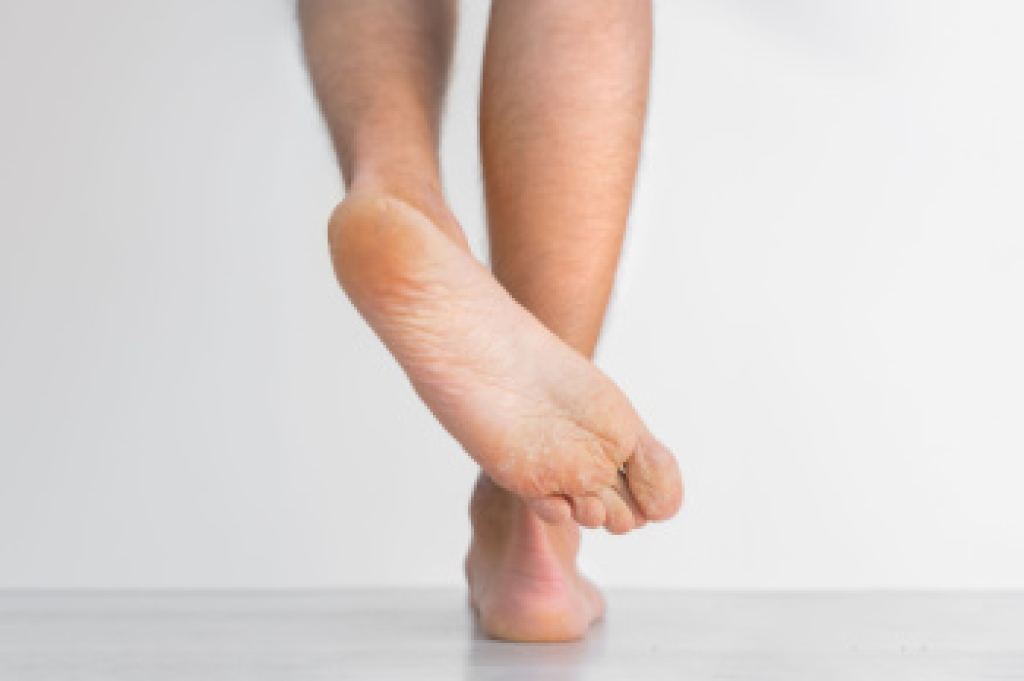
Athlete’s foot is a fungal skin infection that can make the feet itchy and uncomfortable. The medical name is tinea pedis, but athlete’s foot is easier to recognize. The fungus grows well in warm, damp places. Public showers, locker rooms, and areas around swimming pools can provide conditions where it spreads. People can pick up the fungus by walking barefoot on contaminated surfaces. Damp towels can also carry it. Sweaty feet can increase the risk because moisture creates an environment where fungus can grow.
Athlete’s foot can cause redness, flaking, and peeling skin. The skin can also crack or feel itchy, while some patients notice stinging or burning. Symptoms usually develop on the soles or between the toes. In some cases, the infection can affect the toenails. An infected nail can become thick, discolored, or brittle. Athlete’s foot can spread and become harder to treat when it is left untreated. Because other skin problems can resemble a fungal infection, getting an accurate diagnosis is important before treatment begins.
A podiatrist can examine the feet and determine whether the symptoms are consistent with athlete’s foot. Treatment can include antifungal medication that targets the fungus causing the infection. A podiatrist can also assess toenail changes and check whether the infection has spread to other areas. Professional care is especially useful when symptoms persist, return, or become more uncomfortable. A podiatrist can provide guidance on reducing moisture and limiting exposure to environments where the fungus can spread. This can help lower the chance of another infection after treatment and protect the skin from continued irritation or damage. If you have symptoms of athlete’s foot, it is suggested that you schedule an appointment with a podiatrist for diagnosis and treatment.
Athlete’s Foot
Athlete’s foot is often an uncomfortable condition to experience. Thankfully, podiatrists specialize in treating athlete’s foot and offer the best treatment options. If you have any questions about athlete’s foot, consult with Dr. Robert Hope from Riverside Podiatry. Our doctor will assess your condition and provide you with quality treatment.
What Is Athlete’s Foot?
Tinea pedis, more commonly known as athlete’s foot, is a non-serious and common fungal infection of the foot. Athlete’s foot is contagious and can be contracted by touching someone who has it or infected surfaces. The most common places contaminated by it are public showers, locker rooms, and swimming pools. Once contracted, it grows on feet that are left inside moist, dark, and warm shoes and socks.
Prevention
The most effective ways to prevent athlete’s foot include:
Symptoms
Athlete’s foot initially occurs as a rash between the toes. However, if left undiagnosed, it can spread to the sides and bottom of the feet, toenails, and if touched by hand, the hands themselves. Symptoms include:
Diagnosis and Treatment
Diagnosis is quick and easy. Skin samples will be taken and either viewed under a microscope or sent to a lab for testing. Sometimes, a podiatrist can diagnose it based on simply looking at it. Once confirmed, treatment options include oral and topical antifungal medications.
If you have any questions, please feel free to contact our office located in Tuscaloosa, AL . We offer the newest diagnostic and treatment technologies for all your foot care needs.

Toenail fungus is an infection that develops when fungi grow in or under the nail. The infection usually begins slowly and can affect one or more toenails. Early signs include white, yellow, or brown discoloration. As the infection progresses, the nail can become thicker, brittle, crumbly, or misshapen. Some people also notice the nail separating from the skin underneath, along with discomfort or an unpleasant odor. Toenail fungus often starts after athlete's foot spreads to the nail, and fungi thrive in warm, moist environments. Wearing shoes for long periods without good air flow and repeated nail injuries can also increase the risk of infection.
A podiatrist carefully examines the affected nail and surrounding skin to confirm the cause of the problem because several nail conditions can look similar. In some cases, testing a small nail sample helps identify the type of infection before treatment begins. Treatment includes trimming thickened nails, removing damaged nail material when appropriate, and recommending the most effective treatment plan. A podiatrist also evaluates foot structure and nail health to reduce pressure that can worsen discomfort. Regular follow-up visits help monitor nail growth and track progress as healthier nail tissue gradually replaces the damaged nail. Addressing the infection early can also help protect nearby nails and improve overall foot health.
Ignoring toenail fungus can allow the infection to spread to additional nails and increase damage to the affected nail. In severe cases, the nail can become deformed or even destroyed. People with diabetes or weakened immune systems should seek prompt podiatry care because complications can develop more easily. Early evaluation helps confirm the diagnosis, guide appropriate treatment, and improve the chances of healthy nail growth. If you have symptoms of toenail fungus, it is suggested that you schedule an appointment with a podiatrist for diagnosis and treatment.
For more information about treatment, contact Dr. Robert Hope of Riverside Podiatry. Our doctor can provide the care you need to keep you pain-free and on your feet.
Toenail Fungus Treatment
Toenail fungus is a condition that affects many people and can be especially hard to get rid of. Fortunately, there are several methods to go about treating and avoiding it.
Antifungals & Deterrence
Oral antifungal medicine has been shown to be effective in many cases. It is important to consult with a podiatrist to determine the proper regiment for you, or potentially explore other options.
Applying foot powder on the feet and shoes helps keep the feet free of moisture and sweat.
Sandals or open toed shoes – Wearing these will allow air movement and help keep feet dry. They also expose your feet to light, which fungus cannot tolerate. Socks with moisture wicking material also help as well.
If you have any questions please contact our office located in Tuscaloosa, AL . We offer the newest diagnostic and treatment technologies for all your foot and ankle needs.

Unexplained ankle pain that develops without injury is often linked to internal conditions rather than external trauma. This type of pain may appear suddenly and interfere with daily activities, such as walking or standing. It is commonly associated with arthritis, autoimmune diseases, and biomechanical imbalances in the feet. These conditions can affect the ankle joint over time, even without a noticeable event. Recognizing the possible causes helps patients seek timely care and prevent further complications.
Symptoms depend on the condition affecting the ankle. Arthritis typically is noticeable with joint stiffness, swelling, and a gradual loss of flexibility. Autoimmune-related ankle pain may include redness, warmth, and ongoing inflammation that does not improve with rest. Foot alignment problems can lead to uneven weight distribution, causing pain during movement and a feeling of weakness in the ankle. Some individuals also report tenderness, mild swelling, or difficulty bearing weight. These signs should not be ignored, especially if they persist.
Risk factors include age-related joint changes, a history of autoimmune disease, and structural foot abnormalities. Individuals with flat feet or high arches are more likely to develop alignment issues that stress the ankle joint. Previous injuries can also increase vulnerability, even if symptoms were absent for years. The underlying causes often involve inflammation, cartilage breakdown, or improper joint mechanics. These factors can gradually lead to pain that appears without a clear trigger.
Managing unexplained ankle pain involves supportive care and medical evaluation. Wearing properly fitted shoes can improve stability and reduce strain on the joint. Maintaining joint flexibility and strength may also help prevent worsening symptoms. Early diagnosis allows for targeted treatment that may include orthotics or other therapies. If you have sudden ankle pain without injury, it is suggested that you visit a podiatrist for a thorough evaluation and appropriate treatment plan.
Ankle pain can be caused by a number of problems and may be potentially serious. If you have ankle pain, consult with Dr. Robert Hope from Riverside Podiatry. Our doctor will assess your condition and provide you with quality foot and ankle treatment.
Ankle pain is any condition that causes pain in the ankle. Due to the fact that the ankle consists of tendons, muscles, bones, and ligaments, ankle pain can come from a number of different conditions.
Causes
The most common causes of ankle pain include:
Symptoms
Symptoms of ankle injury vary based upon the condition. Pain may include general pain and discomfort, swelling, aching, redness, bruising, burning or stabbing sensations, and/or loss of sensation.
Diagnosis
Due to the wide variety of potential causes of ankle pain, podiatrists will utilize a number of different methods to properly diagnose ankle pain. This can include asking for personal and family medical histories and of any recent injuries. Further diagnosis may include sensation tests, a physical examination, and potentially x-rays or other imaging tests.
Treatment
Just as the range of causes varies widely, so do treatments. Some more common treatments are rest, ice packs, keeping pressure off the foot, orthotics and braces, medication for inflammation and pain, and surgery.
If you have any questions please feel free to contact our office located in Tuscaloosa, AL . We offer the newest diagnostic tools and technology to treat your foot and ankle needs.