(205) 633-3606


(205) 633-3606



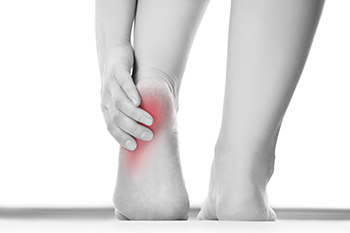
Heel pain, while quite common, can be extremely uncomfortable and painful if not met with proper care or treatment. Heel pain may occur if you injure or overuse the heel. If left uncared for, the affected area may worsen, limiting your mobility and making it difficult to perform everyday activities, such as walking.
There are many different causes of heel pain, including strains or sprains, tarsal tunnel syndrome, stress fractures, Achilles tendonitis, and heel bursitis. One of the most common causes of heel pain for children and teenagers specifically is Sever’s disease. Sever’s disease can develop due to overuse or repetitive microtrauma of the heel bone's growth plates. This condition is often seen among those who are active in sporting activities.
Other causes of heel pain may include issues with poor circulation, poor posture when walking or running, a soft tissue mass, and a rupture of the Achilles tendon. To help ease the discomfort of heel pain, it’s advised that you get plenty of rest, apply ice to the affected area, and wear shoes that fit properly. In some more serious cases, a podiatrist might recommend the use of custom orthotics or shoe inserts for extra support.
If you’re experiencing heel pain, we recommend you consult with a podiatrist as soon as possible for a proper diagnosis and treatment plan.
When it comes to receiving foot surgery, it’s typically a case by case situation. Some factors that play a role in whether or not you need surgery include the severity of your symptoms as well as your response to other conservative, noninvasive treatment methods.
There are a number of different foot conditions that may benefit from surgery as a treatment option. Bunions, hammertoe, metatarsal, Achilles tendon disorders, Morton’s neuroma, tibialis posterior disorder, and plantar fasciitis are all conditions that may require surgery as a treatment option, depending on their severity. Long-lasting pain relief is typically the biggest takeaway from having surgery performed to remedy your condition.
In order to best prepare for surgery, make sure you have a consultation with your podiatrist about your overall health, discuss any possible changes in medication, and ask any questions you may have about the procedure to go into the treatment with a clear head. In some cases, you may have to refrain from eating and drinking a few hours before the procedure, so make sure you understand what must be done on your end beforehand.
As for recovery, again, this will typically vary case by case and will be dependent on your condition and the type of surgery performed. Generally, it’s recommended that you get plenty of rest, ice the affected area, compress the wound to aid in further strain, and keep the area elevated to reduce any possible swelling. In some cases, your podiatrist may encourage you to use bandages, splints, surgical shoes, casts, crutches, orthotics, or a cane, depending on how much weight they believe your foot can bear.
If you’d like to determine whether surgery is the best option for you and your foot condition, consult with a podiatrist who will be able to give you a proper diagnosis and aid you with your decision.
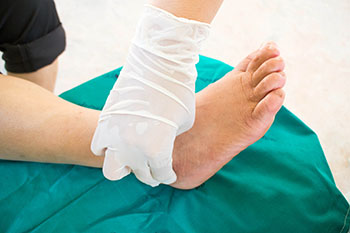
Wound care is particularly important for those with diabetes. It’s possible that what appears to be a small wound could turn into more severe foot complications down the road if left untreated. It’s common for those with diabetes to experience neuropathy. Neuropathy is a type of nerve damage that affects the body and can cause you to lose feeling in the feet. If you’re no longer experiencing feeling in your feet and a wound develops, it’s very possible it may go unnoticed if you don’t check your feet daily.
Some factors that contribute to the formation of wounds on the feet include wearing tightly fitted shoes, getting a pebble stuck in your shoe, or simply walking. What may appear to be just a small inconvenience such as a blister or callus can worsen over time, so it’s important to be safe and seek the attention of a professional. If you’ve developed a wound, it’s recommended that you try your best to keep the weight off of the area until you’re able to meet with a podiatrist.
Some ways to prevent wounds from developing include checking your feet daily for any injuries, washing and drying your feet daily, dressing for comfort and making sure your toes have enough space, and properly trimming your toenails straight across. Because wounds can lead to more severe complications, especially for those with diabetes, we recommend you speak with a podiatrist for professional guidance and a suggested plan for treatment.
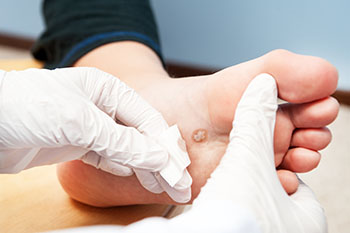
Plantar warts develop on the plantar areas of the feet, namely the soles or the bottom of the feet that bear weight. Sometimes plantar warts can grow in a cluster, which is referred to as mosaic warts. Though they are generally harmless, plantar warts can be very painful and can require professional help.
Plantar warts can develop when a virus enters through the skin, often by a cut or scrape. They’re contagious and typically spread in locations such as public swimming pools, communal showers, as well as your shower at home. Gym facilities and yoga studios may also be more susceptible to plantar wart breakouts due to their publicly shared spaces. Plantar warts are commonly found among children and those with weaker immune systems.
To tell if you have plantar warts, you should check the soles of your feet for bumpy growths. Sometimes these growths may come with a tiny black dot in the center. You may also have plantar warts if you experience pain when walking or standing up. Because plantar warts are easily confused with other foot conditions like corns or calluses, it’s important you seek professional help for proper treatment.
Since plantar warts are caused by HPV, or human papillomavirus, and is very contagious, it’s important that you take certain measures to help avoid getting this condition. To start, you can do this by washing your hands frequently and drying them completely, since warts thrive with moisture. You should also wear shoes in public spaces like swimming pools and locker rooms. It’s important to avoid touching someone else’s wart or picking at your own warts as well. Along with not picking at your warts, it’s imperative that you refrain from shaving, brushing, or clipping areas that have warts.
If you’d like more information about plantar warts and how they’re treated, we recommend you speak with a podiatrist for professional guidance and care.
535 Jack Warner Parkway NE
Suite 1A
Tuscaloosa, AL 35404
P: (205) 633-3606
F: (205) 633-3696
| Mon: | 8:00 AM - 5:00 PM* |
| Tues: | 8:00 AM - 5:00 PM** |
| Wed: | 8:00 AM - 5:00 PM** |
| Thur: | 8:00 AM - 5:00 PM** |
| Fri: | 8:00 AM - 12:00 PM*** |
| *Closed for lunch from 12:00 PM - 1:30 PM | |
| **Closed for lunch from 12:00 PM - 1:00 PM | |
| ***Staff only | |