(205) 633-3606


(205) 633-3606

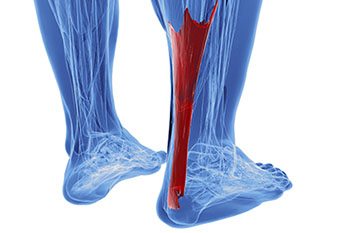
The Achilles tendon is not only the strongest, but also the largest tendon in the human body. The main function of the Achilles tendon is to transmit power from the calf muscles to the heel and the foot.
It’s because of the Achilles tendon that we are able to stand on our toes when walking, running, or jumping. Even with all of its strength, the Achilles tendon can be exposed to injury. Due to its limited blood supply and the high tensions placed on it, the Achilles heel can be left vulnerable if harmed.
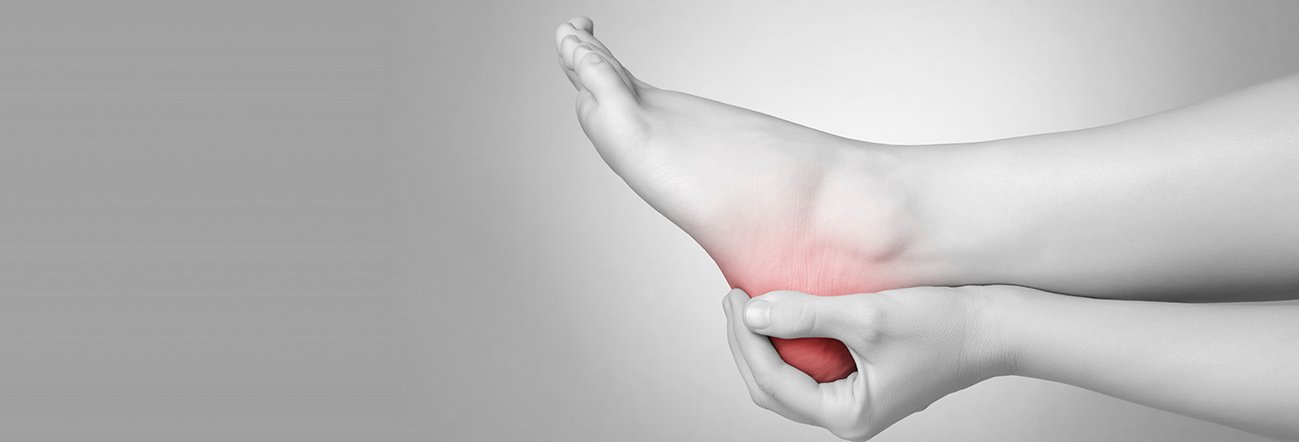
Possible conditions that may arise due to injury of the Achilles tendon include tears, ruptures, tendinitis, peritendinitis, tendinosis, tendinopathy, and bursitis. When trying to diagnose if one has issues with their Achilles tendon, a podiatrist will commonly check for any pain, swelling, or discoloration around the heel or lower leg area. Different treatments for issues concerning the Achilles tendon vary, but may include over-the-counter or prescribed pain relievers for intense discomfort, alternating ice and heat therapy, custom-made orthotics, physical therapy, and in severe cases, surgery. To help prevent injury to the Achilles tendon, it’s recommended to regularly perform stretches involving the muscles of the lower leg
If you or someone you know is experiencing pain or discomfort involving the Achilles region, seek out the help of a podiatrist for a proper diagnosis and treatment regime.
Dr. Robert Hope is available to treat foot ailments such as diabetic foot care, ingrown toenails, fungal toenails, warts and painful calluses. Our practice specializes in general foot care. Please call (205) 633-3606 for an appointment.

Bunions
A bunion is a bone deformity usually occurring at the base of the big toe. This is a progressive condition that is made worse by inward pressure from tight shoes. Bunions can be very painful, and in some instances surgery may be necessary to remove them.
Flat Feet
Flat feet is a condition where the entire, or nearly entire, bottom of the foot meets the ground when standing. Depending on the severity, symptoms of flat feet can range from severe pain to non-existent.
Hammertoes
Hammertoe is a characterized by one or more of the toes having a bend in the middle joint. This occurs because of weakening of the muscle due to poorly fitted shoes or a genetically inherited trait.
Diabetes and Your Feet
Diabetes is a systemic illness that can affect many different parts of the body. This is especially true for the feet. Proper foot screening is incredibly important for diabetic patients and any kind of cut or sore should be taken very seriously.
Heel Spurs
A heel spur is a bony protrusion that occurs on the heel. It is often confused with plantar fasciitis, which is inflammation of the plantar fascia ligament. When a heel spur is painful it can make it quite difficult to walk.
Corns
Corns and calluses are hard layers of skin that usually form due to friction. Generally, they will be in areas of the foot that are bearing weight, or areas that frequently rub against the shoe. Soft corns are typically found between the toes.
Athlete's Foot
Athlete’s foot is a very common fungal infection that affects countless people around the world. It will manifest itself on the skin of the foot, in many cases in between the toes. Because fungi proliferate in warm, damp environments, keeping the feet clean and dry is of utmost importance in avoiding athlete’s foot.
535 Jack Warner Parkway NE
Suite 1A
Tuscaloosa, AL 35404
P: (205) 633-3606
F: (205) 633-3696
| Mon: | 8:00 AM - 5:00 PM* |
| Tues: | 8:00 AM - 5:00 PM** |
| Wed: | 8:00 AM - 5:00 PM** |
| Thur: | 8:00 AM - 5:00 PM** |
| Fri: | 8:00 AM - 12:00 PM*** |
| *Closed for lunch from 12:00 PM - 1:30 PM | |
| **Closed for lunch from 12:00 PM - 1:00 PM | |
| ***Staff only | |