(205) 633-3606


(205) 633-3606

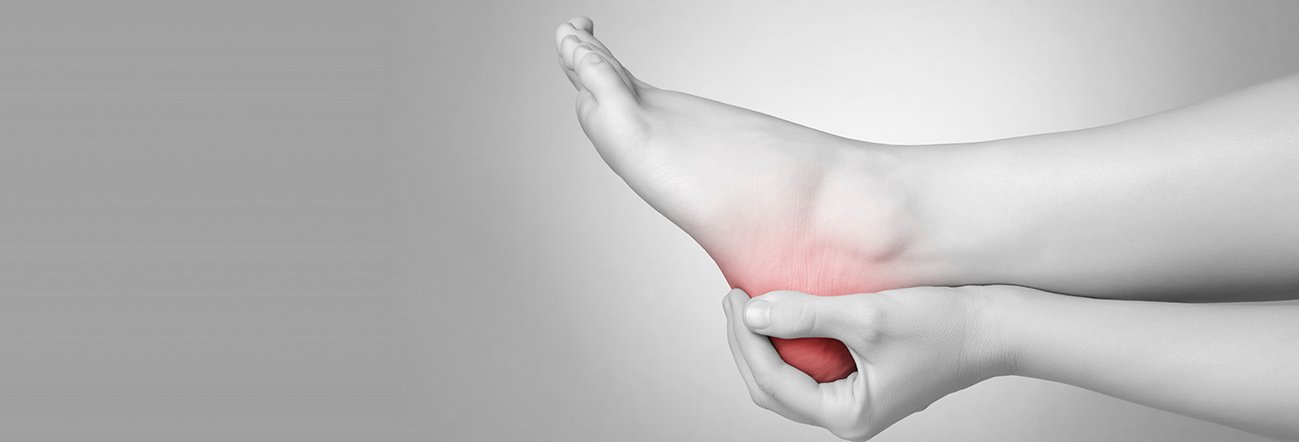

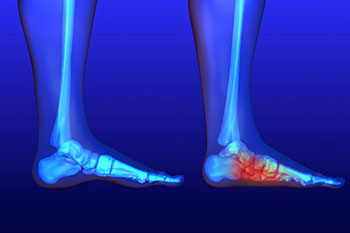
Flat feet is a condition that affects those who have little to no arch in their feet. When you stand, a person who doesn’t have flat feet will have a gap from the inner part of their feet to the floor, due to the normal arch that slightly rises off the ground. Those with flat feet will experience no such gap. While there are some people who experience no issues with their flat feet, it’s not uncommon for those with this condition to experience discomfort or pain.
Flat feet may cause a certain level of pain due to strained muscles and connecting ligaments. Those not afflicted by flat feet are able to get support while walking by the spring that the arch provides, which in turn, helps to distribute your body weight while taking steps. When the arch is no longer present, there is a larger amount of pressure on your muscles and ligaments in the feet, which is why they become strained and may cause you to feel pain.
There are many reasons that play a role in why a person may develop flat feet. For instance, certain genetic factors passed down from parents can lead to flat feet. Children may appear to have flat feet; however, their arches should develop over time. Having overall weak arches, a foot injury, arthritis, or a muscle or nervous system disease may all increase your likelihood of having flat feet. Tarsal coalition, a foot condition causing the fusion of bones in the feet, may also play a part in developing flat feet. Other common factors that are linked to flat feet include diabetes and obesity.
To manage the discomfort that may come with flat feet, we recommend that your practice exercises to help ease your pain. Heel cord stretches are a great way to stretch your Achilles tendon and help loosen up calf muscles that are often strained due to flat feet. Placing a golf ball under your foot and rolling it back and forth while seated is another great stretch, especially for your plantar fascia ligament.
When it comes to treating flat feet or fallen arches, it’s suggested you get plenty of rest. Frequently ice the affected area to help reduce swelling. Performing daily stretches are a great way to loosen up your muscles and relieve strain. It may also be beneficial to look into orthotics or shoe inserts to help relieve the pain.
If you’d like more information on how to treat discomfort you’re feeling because of flat feet, consult with a podiatrist for the best treatment options for your case.
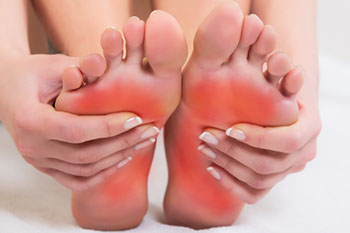
The feet serve as the foundation of the body. When pain is experienced, it’s therefore extremely important to identify early on what and where the issue is. The causes of foot pain vary greatly, including but not limited to diseases, deformities, improper footwear, and injuries pertaining to the foot region.
Those who experience foot pain may also notice redness, swelling, soreness, bruising, or numbness present at the injured area. When these symptoms occur, it’s important to also identify where the pain experienced is located, as there are a number of foot complications that could be at the root of the problem. For example, different foot conditions can affect different areas such as the heel, ball of the foot, foot arch, the toes, to name a few.
Common heel pain conditions include heel spurs and heel fractures. Morton’s neuroma is a condition that often comes with pain experienced at the ball of the foot, as well as sesamoiditis. Those suffering from discomfort in their arches may have flat feet or plantar fasciitis. Common issues that affect the toes include gout, bunions, blisters, corns and calluses, as well as hammertoe and ingrown toenail.
Treatment for foot pain varies for each case, depending on both the cause of pain and the location of the affected area. The most common recommendations for easing the discomfort of foot pain include the following: getting plenty of rest, icing and heating the area in which pain is felt, pain relievers, and keeping the foot elevated to avoid swelling.
If you’re experiencing foot pain, we recommend that you meet with a podiatrist as soon as possible for a proper diagnosis and suggested treatment plan.
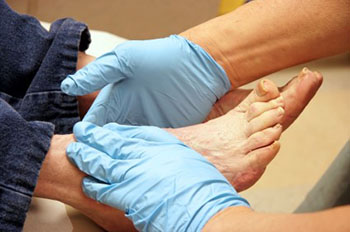
Unfortunately, foot problems are often a common result of having diabetes. As time goes by, it’s likely that diabetes can cause nerve damage, also known as diabetic neuropathy. This can lead to tingling or a painful sensation, and it may also cause you to lose feeling in your feet. The loss of feeling in your feet can become incredibly dangerous, especially if you can longer sense a blister or cut on your foot; this can lead to sores or infections.
There are many ways to maintain healthy foot care when dealing with diabetes. Most importantly, you want to ensure that you’re managing your blood glucose levels, otherwise known as your blood sugar. You also want to ensure that you’re checking your feet daily. As mentioned before, it’s important to recognize if your feet have cuts, sores, blisters, plantar warts, ingrown toenails, or other troubling foot conditions to stay ahead of the issue and prevent yourself from further harm. Along with foot checks, you should also wash and dry your feet daily using lukewarm water. It may also be useful in certain cases to moisturize your feet a few times a week, especially if you’re prone to dryness. Please be advised, however, to avoid moisturizing between the toes as they will not dry properly. Another rule you may want to follow is to ensure you’re cutting your toenails straight across. You should also refrain from digging into the sides of the toes; this will help prevent the development of an ingrown toenail. If you do happen to develop a corn or callus, never treat them yourself; seek the help of a professional. It may also be beneficial to look into socks made specifically for those with diabetes to help provide yourself with extra cushion. You may also want to refrain from walking barefoot, as well as avoid smoking, as it restricts the blood flow to your feet.
In certain serious cases, you may notice a cut, blister, or bruise is not healing after a few days. If this occurs, it’s important to seek the help of a professional. Other warning signs include redness, swelling, a callus with dried blood inside of it, or an infection that causes discoloration of the foot and an odor.
If you’d like more information on how to maintain healthy feet while living with diabetes, seek the assistance of a podiatrist who can provide you with the tips needed for healthy foot care.
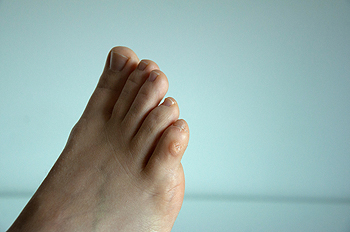
Corns are hardened bumps, normally found on the top or on the side of the toes. Some may also be found on the bottom of the feet. Corns are typically small and circular and have either hard or soft centers. Hard corns are generally found on the more firm areas of the foot, while soft corns are typically found in areas prone to be more moist, such as in between the toes.
You may have a corn if you notice a raised, hardened bump on your foot, skin that is dry and flaky or waxy, and feel pain or tenderness underneath the skin. There are many factors that play into why a person may develop a corn. Certain factors include wearing shoes or socks that are too tight, regularly walking barefoot or not wearing socks often, old age, or repeatedly jogging or exercising in a certain way that causes friction. Having other foot-related complications, such as hammertoe or bunions, can increase your risk of developing a corn.
To help prevent the formation of corns, it’s recommended that you wash your feet daily with soap, water, and a scrubbing brush. It’s also useful to wear shoes that leave your toes with plenty of space, as well as cutting your nails straight across and not digging into the sides. Without certain footwear or lifestyle changes, it’s likely for a corn to develop again.
If your corn is extremely painful or if you have diabetes or poor circulation, we recommend you seek professional help. Because the removal process is best done by a doctor, it’s important you seek the help of a podiatrist who can aid you in determining a treatment plan best suited for your particular case.
535 Jack Warner Parkway NE
Suite 1A
Tuscaloosa, AL 35404
P: (205) 633-3606
F: (205) 633-3696
| Mon: | 8:00 AM - 5:00 PM* |
| Tues: | 8:00 AM - 5:00 PM** |
| Wed: | 8:00 AM - 5:00 PM** |
| Thur: | 8:00 AM - 5:00 PM** |
| Fri: | 8:00 AM - 12:00 PM*** |
| *Closed for lunch from 12:00 PM - 1:30 PM | |
| **Closed for lunch from 12:00 PM - 1:00 PM | |
| ***Staff only | |